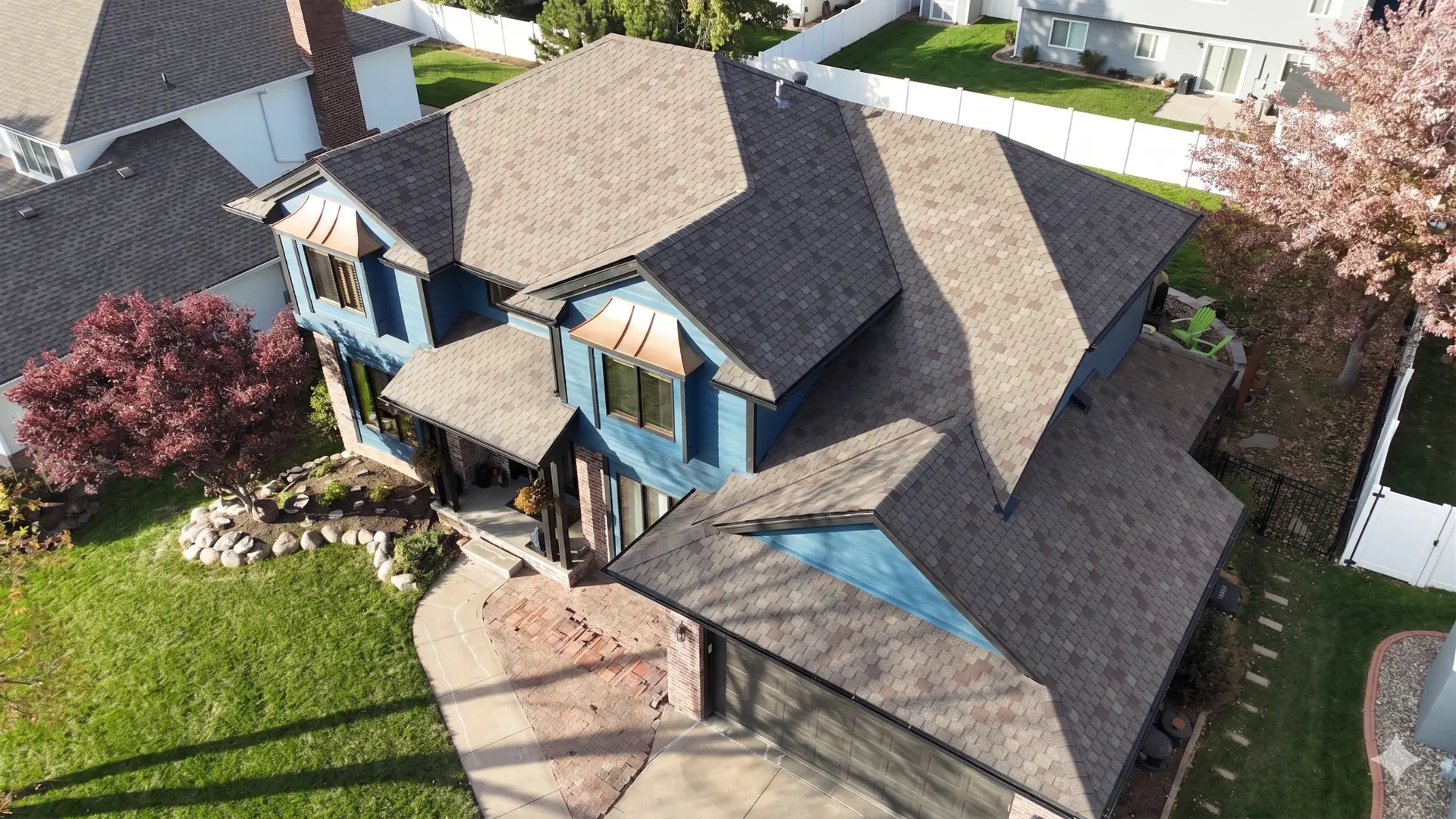
Kansas City is in peak hail territory. After a storm, your roof may look fine from the ground while sustaining significant hidden damage. Here's what to look for and how to handle the insurance process.
The Kansas City metro sits squarely in hail alley, the band of the United States that sees more damaging hail events per year than almost anywhere else. If you've lived here more than a few years, you've had hail on your property. The question is whether it damaged your roof.
Why Hail Damage Is Easy to Miss
Golf ball-sized hail that punches through is obvious. But the most common residential hail damage is smaller impacts that bruise the asphalt granule surface of shingles, invisible from the ground, but clearly visible to an inspector with training.
This granule damage matters because those granules are your roof's UV protection. Without them, the underlying asphalt oxidises rapidly. A roof that shows hail impact may look fine today and start failing in 2 to 3 years.
The Insurance Process
Most homeowner's policies cover hail and wind damage. The process: you file a claim, an adjuster inspects, they approve a scope of work, and a contractor completes the repairs.
Where it gets complicated is the adjuster inspection. Insurance company adjusters are not adversarial, but they're also not looking for things to approve. Having a knowledgeable roofing contractor present during that inspection makes a significant difference in what gets included in the scope.

Rebekah Saettone, Founder and CEO. Woman-owned roofing in Greater Kansas City since day one.
